
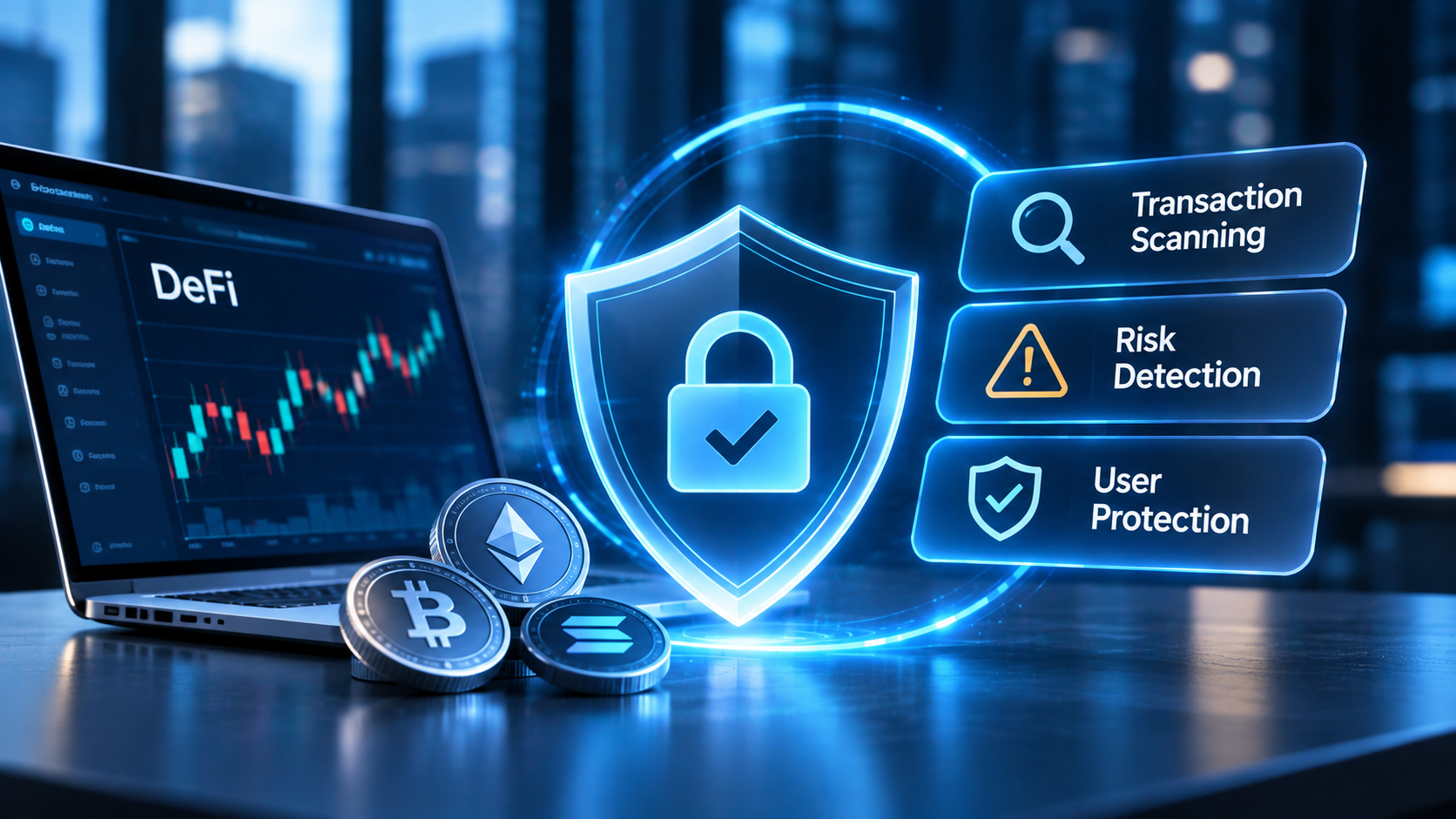
BitGo, the digital asset infrastructure company, has integrated Blockaid‘s Transaction Scanning technology into its DeFi access platform for self-custody wallets. The integration simulates and validates every transaction originating from decentralized applications before approval, displaying results directly in BitGo’s approval interface where reviewers can see the transaction outcome before signing.
- What it shows: Assets sent and received with USD values, decoded smart contracts, plain-language action descriptions, and security verdicts (Benign, Warning, Malicious, or Unknown)
- Transaction scope: Applies to DeFi transactions originating from outside BitGo’s platform that clients did not write
- Processing speed: Unflagged transactions move to approval without material added delay; flagged transactions display automatic warning banners
- Decision authority: Reviewers retain final approval authority; Blockaid informs decisions but never makes them
The integration addresses a critical visibility gap in DeFi custody. When users connect wallets to protocols, applications build transactions presented as encoded contract data—rarely readable without deep technical expertise. That creates risk: a routine-looking transaction could send funds to unintended destinations, token approvals can grant broad spending rights, or funds might flow through newly deployed contracts with no track record. BitGo‘s policy engine and multi-approval workflow control who transacts and with which assets, but neither can fully anticipate every transaction outcome before signature.
Blockaid’s system simulates each transaction against the current blockchain state, records all balance changes and contract interactions, validates behavior and counterparties against known malicious addresses, and returns a verdict in real time. The process runs entirely within BitGo’s existing approval screen, eliminating the need for separate tools or approval queues. For Warning, Malicious, or Unknown results, the system displays an explanatory banner before the reviewer signs, ensuring risky transactions disguised as routine don’t slip through unnoticed.
Institutions already have strong controls over who can transact and with which assets. What they have lacked is a clear view of what a specific DeFi transaction will do before it is signed. By bringing Blockaid’s Transaction Scanning into the approval screen, clients can see the assets moving, whether the contract is verified, a plain-language description of the action, and a security check result, all in the same place they already approve.
– Emerick Mary, Product Manager, BitGo
Most DeFi transactions are built by an application, not by the person approving them. Simulating each one against the current state of the chain gives reviewers context they can use before a signature is released. Our goal is to make that context available in the moment it matters.
– Ajit Deshpande, Head of Marketing and Partnerships, Blockaid
BitGo has operated a multi-signature custody model since 2013 and serves thousands of institutions, exchanges, and platforms. The company notes that simulations are informational only and do not guarantee transaction safety, with reviewers remaining responsible for approval decisions.

Emerick Mary, Product Manager at BitGo. Source: LinkedIn

Ajit Deshpande, Head of Marketing and Partnerships at Blockaid. Source: LinkedIn
